About

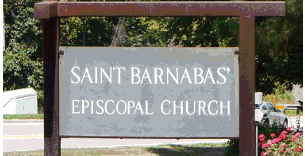
A Short History of St. Barnabas

In the late 1950s, the Brotherhood of St. Andrew at St. Andrew’s Episcopal Church undertook a study to determine the need for a new church in Greensboro. Findings of that study were substantiated in a survey by Osborne Mock, appointed by Bishop Tom Fraser. It resulted in the appointment of Father James Prevatt by Bishop Fraser in 1967. Father Prevatt was to organize and begin building a new Episcopal Congregation as “Priest in Charge.” The first service was held at Guilford Elementary School on September 10, 1967. Ninety-one people attended.

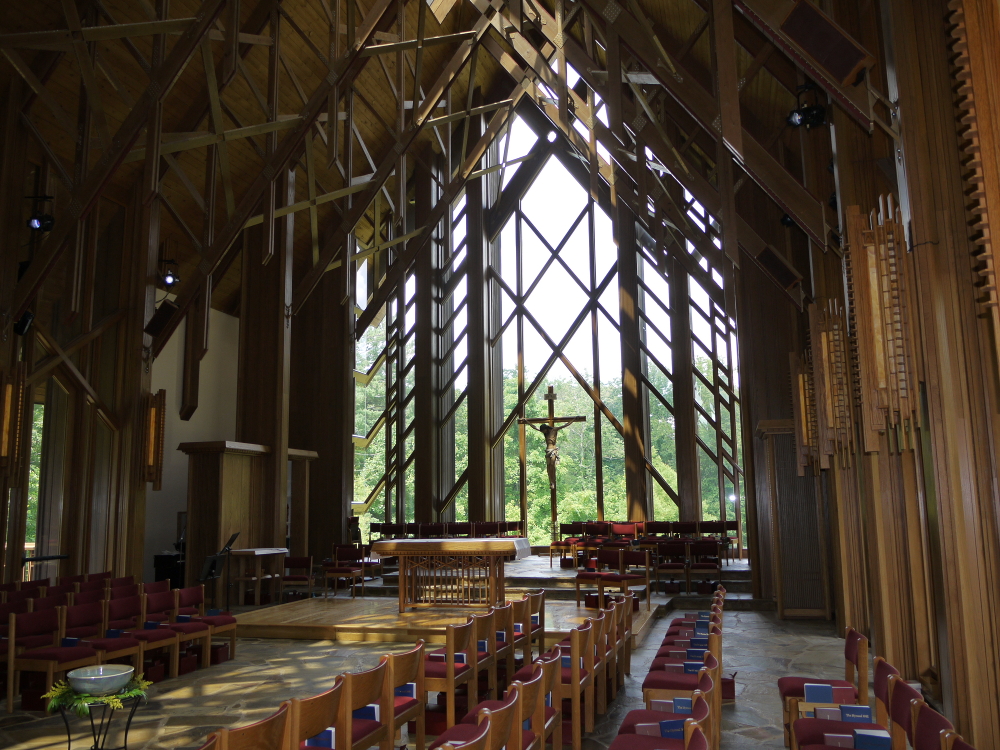
In December 1968, the church moved to Morehead Elementary School. Through the good offices of the “Greater Greensboro Council for Episcopal Church Extension,” composed of priests and officers of the five local churches, a fund of about $50,000 was raised; and the Jefferson Road lands of about fifteen acres were bought for the future use of St. Barnabas Episcopal Church. (St. Barnabas was the first patron saint of what is now Holy Trinity Church downtown) A rectory was also bought in Jefferson Gardens. On May 23, 1971, the mission moved to a $51,000 building, which was blessed by Bishop W. Moultrie Moore on June 11, the Feast Day of St. Barnabas. Due to the growth of the church, the chapel was extended about sixteen feet some five years later. An office and education building were later built next to the chapel.

Father Prevatt served St. Barnabas through May of 2001. He enjoys his retirement with his wife, Muriel, in what was the original rectory for the church. Since his retirement, St. Barnabas was served well by several clergy serving for short periods of time. Father Keeney came to St. Barnabas in July of 2006.

(adapted from a report by Bill Rhodes Weaver in March, 1979)

So, What’s an Episcopalian?

Well, we are the U.S. version of the Anglican Church. We came to this nation at its founding as members of the Church of England. As you can imagine, a little thing called the Revolution put a crimp in it. However, we remain “in Communion” (sharing of the same bread and wine of the Altar) with The Archbishop of Canterbury of the Church of England and with all those around the world with whom he is “in Communion”. We number about 70 million worldwide with our largest area of growth being Africa. Most of the signers of the Declaration of Independence were members of this church.

We have Lay Members, Deacons, Priests, and Bishops. In this country, all share in the council and governance of the Church.

All that we do and say is guided by our vows in baptism. These vows are simple, but oh so profound and challenging:

  • Will you continue in the Apostle’s teaching and fellowship, in the breaking of bread and in the prayers?
  • Will you persevere in resisting evil, and, whenever you fall into sin, repent, and return to the Lord?
  • Will you proclaim by word and example the Good News of God in Christ?
  • Will you seek and serve Christ in all persons, loving your neighbor as yourself?
  • Will you strive for justice and peace among all people, and respect the dignity of every person?

To all of these, we answer, “We will, with God’s help.” Furthermore, we will do it together, because alone we can do nothing really. These vows connect us with God and one another. They form our community and define our mission.